
 11
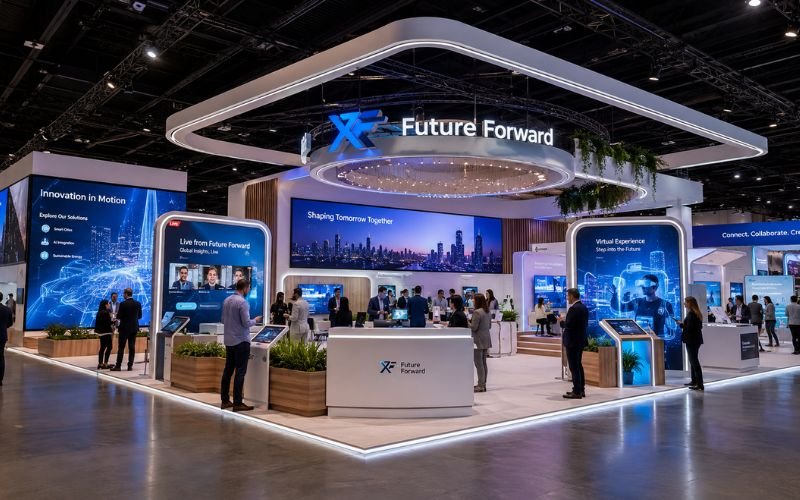
11 Trade shows have come a long way from just being a place to display. Today, they are interactive, experience-driven, and design-centric, and they have become the perfect way to draw attention to your booth and boost engagement and conversions. Today, the convention floor is no longer just a physical space but a creative, technologically advanced, and tactically narrated environment. Virtual trade show exhibits have also set new expectations for traditional booth design, allowing brands to connect with more people than ever before, without being limited by location.
The current exhibition areas are flexible, visual, and immersive, and are attractive to all different types of audiences. Design trends are changing the way competitive business presentations are done, starting from big island booths to partial digital integrations. These are not only about the looks but also about the function, flexibility, and substantial communication, which means that every single exhibit creates brand publicity and interaction afterward.
Being mindful of Sustainability and Environmentally-Friendly Materials
In the arena of exhibition design, the concept of sustainability has come into existence. Industry is turning to environmentally conscious materials and techniques to help reduce pollution while maintaining the quality of presentation.
Some of the components that make setups more sustainable include recycling, energy-saving lights, and reusable buildings. Such decisions are made with an aim not just for the environment but also toward present-day values.
The eco-friendly design also adds to the brand’s image, demonstrating its commitment to responsible practices. Such a synergy with the values of society in general could have a positive effect on the acceptance of the audience and their trust in the lesson.
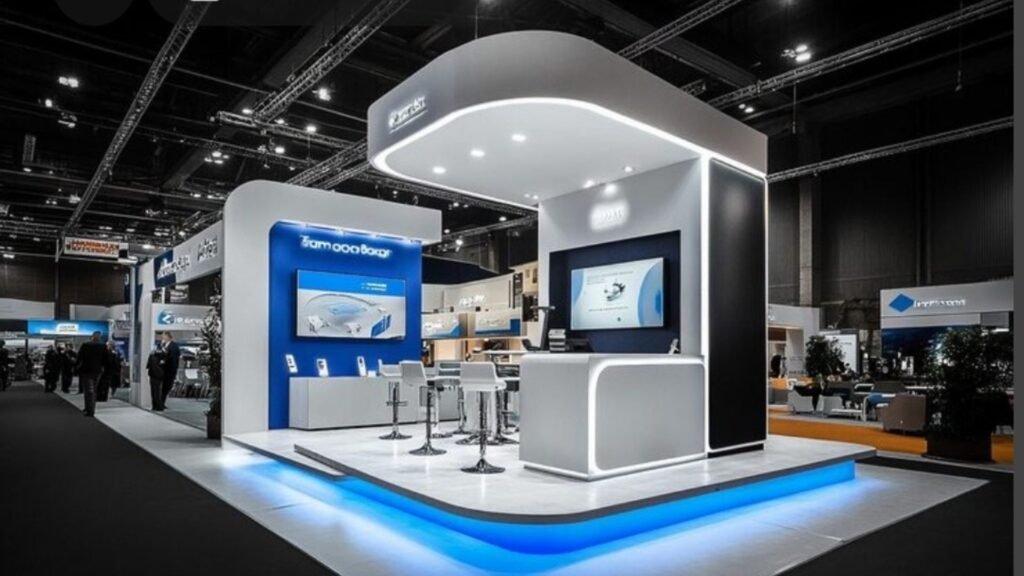
The modern design of the exhibit has become a versatile one. Customizing and adapting the modular booths to suit the type of event and size can be easily done and will help businesses that may need to attend more than one trade show.
These systems can be redesigned for various layouts, small spaces, and large island exhibits. Such flexibility works well in any situation.
The modular designs also promote cost efficiency and sustainability. The use of reusable elements helps to minimize waste and allows businesses to have a consistent look at various events and modify them as needed.
Traditional booth designs are being revamped by the market-leading trade show exhibition companies to create an open and inviting non-congested environment that will allow brands to give trade show visitors a natural working space in which to move into a more comfortable environment. These layouts used to be traditionally closed but are now being replaced by those that are open, letting people freely explore and interact with multiple points of entry.
Island booths in particular have become quite popular, due to their 360-degree accessibility. These types of designs don’t have any barriers and are more welcoming, allowing visitors to engage with the environment either way. The openness also ensures the greatest possible foot traffic and visibility all over the convention floor.
The layouts also have strategic zoning that enhances functionality. Various spaces are divided into demonstrations, meetings, and display areas, allowing for various activities at the booths without losing the sense of unity for the whole.
Today, exhibiting design is becoming more and more a combination of the physical and digital, with the resulting hybrid experience. Interactive screens, augmented reality capabilities, and digital presentations provide dynamic and personalized experiences that allow interaction.
This integration enables visitors to go in-depth while exploring products and services. Physical exhibits, combined with digital aids, can also be used to give their visitors more in-depth information, simulations, or even virtual walks. This enhances the enriching and informative experience.
The hybrid designs are not only confined to the events, but can also be used at various other events within the school. Digital elements offer a great way to maintain a connection with the show after the event and to make the show’s effects noticeable and meaningful.
More and more exhibition areas are being used for telling stories and not just for exhibiting products. The designer features such elements as lighting, material, and arrangement, all of which are specifically executed to tell a story that portrays the brand and values.
Immersive environments engage more than one sense and attract people to them. The use of texture, color, and space is used in a way that is strategic and supports the messaging.
The use of storytelling has been a part of the design so that visitors leave with an understanding of the brand. This emotional connection aids in remembering the exhibit and enhances the impact of the experience.
Innovation, flexibility, and seamless physical and virtual integration on the current convention floor are drivers. These trends revolutionize the exhibition area and the interaction with visitors, from open and accessible plans to immersive storytelling and sustainable design. These new techniques will enable companies to produce exhibits that not only catch the attention of those attending, but also ‘touch’ them and will remain relevant in the highly competitive trade show environment.